Online Video Editor That Works Across Phone and Laptop
Most software still assumes you have one device you work on. Install it, learn its interface, and build a habit around it,...
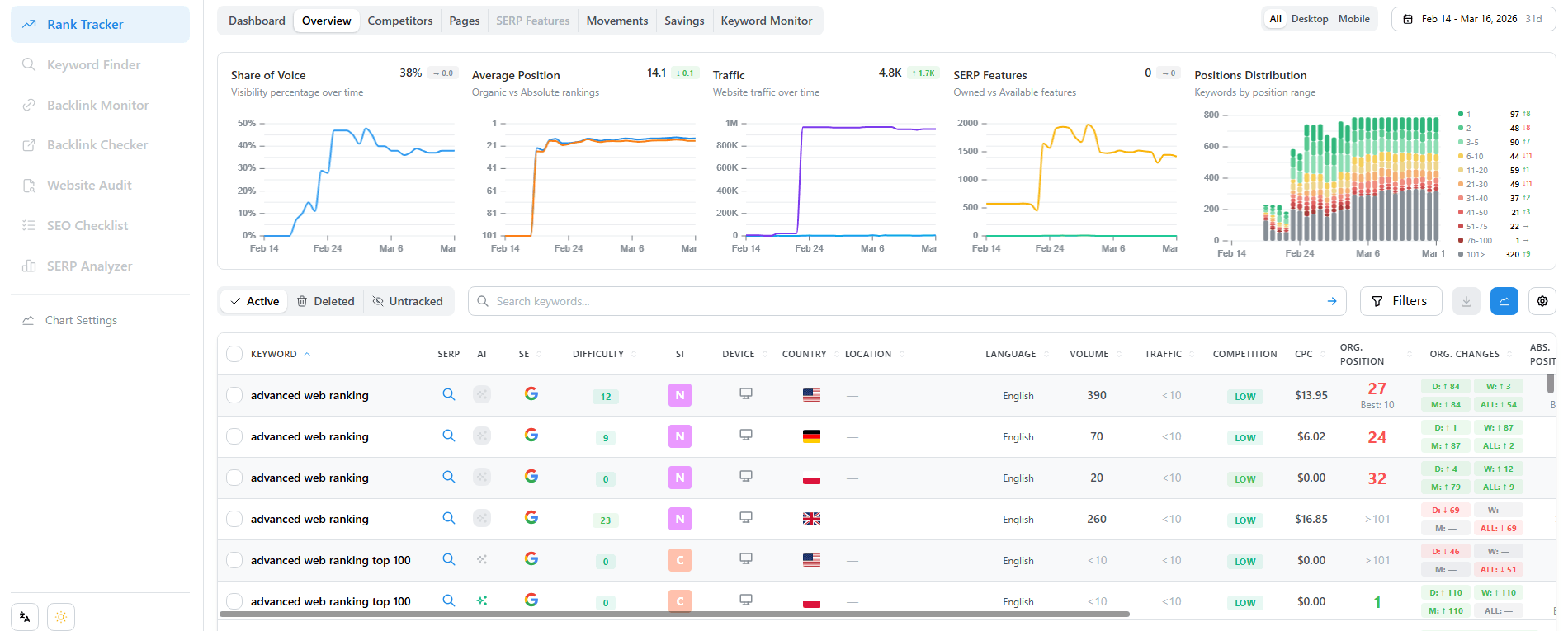
Rank Tracking Tool gives SEO teams, marketers, agencies, and site owners a clearer way to monitor keyword positions, compare movement over time, review page-level performance, and understand SERP changes without burying the signal under unrelated metrics.
Built for the questions search teams ask every week: where a keyword stands now, how far it moved, which page is ranking, what changed in the SERP, and where to focus next.
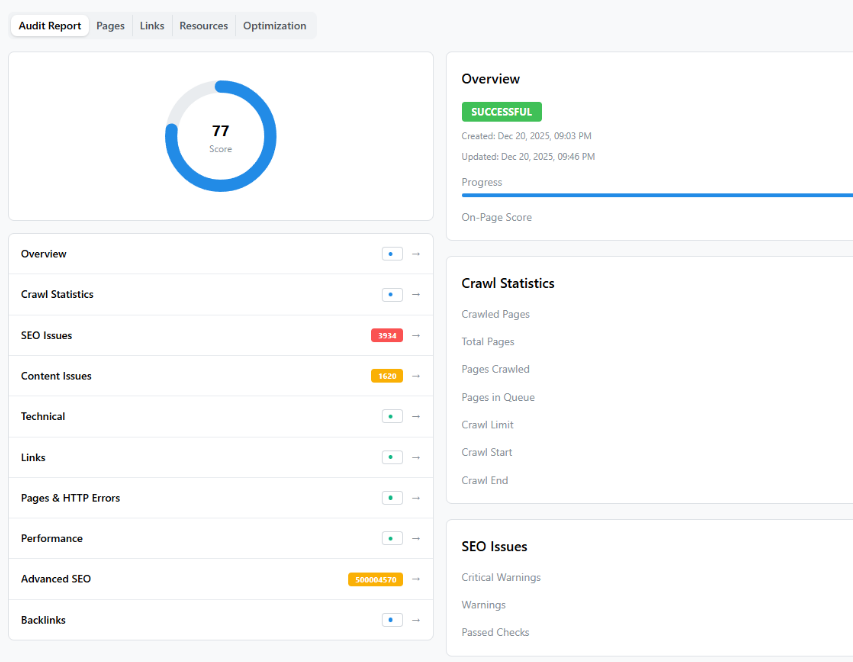
It offers real-time rank tracking, deep technical site audits, and AI search visibility metrics inside a highly intuitive dashboard.
Not broad platform messaging. Just the ranking views teams need to measure visibility, understand movement, and make sharper SEO decisions.
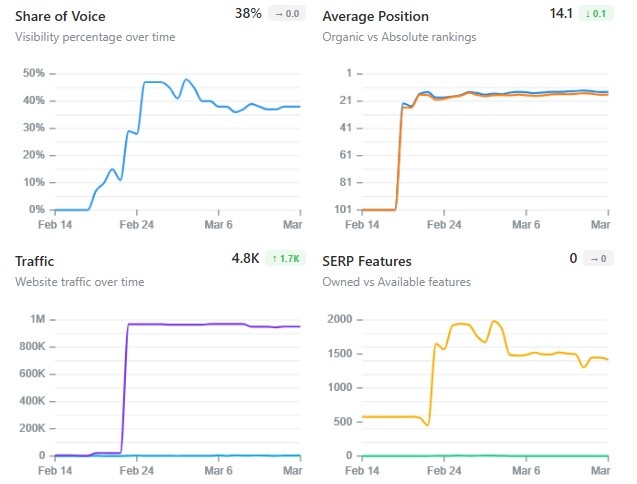
See how positions change over time so wins, drops, and steady trends are easy to separate from one-off noise.
Understand which pages are carrying visibility, where momentum is building, and where rankings are slipping by URL.
Compare rankings by location and device to catch differences that can distort reporting when viewed too broadly.
Turn raw position checks into clearer next steps by reading movement alongside SERP patterns and page-level performance.
A strong rank tracking tool should do more than report a position number. It should help you understand where keywords rank now, how those positions have changed, which pages are being surfaced, and what that movement means for search performance. That is the core job of Rank Tracking Tool: clearer visibility into rankings, keyword movement, SERP shifts, and page-level performance without drifting into unrelated SEO categories.
For SEO professionals, agencies, in-house marketers, ecommerce teams, publishers, and founders, rank tracking is one of the most practical ways to measure search progress. Rankings tell you whether optimization work is gaining traction, whether a page is losing ground, whether a new page is being picked up for target terms, and whether local or device-specific results are changing the picture. A focused keyword rank tracking tool helps you spot those changes quickly and respond with more confidence.
Single ranking checks can be useful, but snapshots alone rarely explain enough. What matters is movement over time. A keyword ranking tool becomes more valuable when it shows whether a term improved gradually, dropped suddenly, or has been fluctuating inside the same range for weeks. That kind of context helps teams avoid overreacting to temporary volatility while still catching meaningful changes early.
With stronger rank tracking, position monitoring becomes easier to interpret. You can compare current and previous positions, review trend direction, isolate sharp gains or losses, and identify which URLs are responsible for the change. Instead of asking only where a keyword ranks today, you can ask what changed, when it changed, and whether the movement looks durable.
A keyword rank tracking tool should support practical decisions, not just reporting. If a high-value keyword rises, teams want to know which page gained traction. If a term slips, they want to know whether a competing page replaced the intended URL, whether local rankings changed, or whether mobile and desktop results are telling different stories. Good rank tracking turns those questions into visible patterns.
This is especially important for teams managing many pages and keyword groups. A cleaner view of ranking performance helps prioritize work. You can find the pages closest to stronger visibility, the terms losing momentum, and the keyword groups that are stable versus unstable. That makes optimization more focused and reporting more credible.
Many teams searching for a google rank tracking tool are not looking for more complexity. They want a dependable way to monitor placement in search results, understand movement, and review performance by keyword and page. Agencies need to explain changes to clients. Content teams need to see whether updated pages are climbing. Ecommerce teams need to watch category and product term visibility. Founders need a simple way to tell whether search visibility is improving or slipping.
In each of those cases, the value comes from clarity. A focused google rank tracking tool helps users compare ranking positions over time, monitor search engine rank tracking by location and device, and see how SERP movement affects visibility. It keeps attention on what teams actually need to measure: placement, trend direction, and page-level outcomes.
Search engine rank tracking becomes far more useful when it is tied to reporting that mirrors how teams work. Most search teams are not reviewing rankings in isolation. They are asking which keyword groups moved, which URLs gained or lost visibility, whether branded and non-branded terms behaved differently, and where local results diverged from national trends. A practical rank tracking tool helps organize those answers clearly.
That means showing ranking changes in a way that supports fast review. It means making page-level performance easy to compare. It means helping teams understand whether movement is broad across a topic cluster or limited to a handful of terms. And it means giving enough SERP context that ranking shifts are not misread as random noise.
A SERP tracking tool should help users understand the result environment around a keyword, not just the raw position. Search results change constantly. Different devices can show different rankings. Local intent can reshape which pages appear. Result layouts can change what visibility really means. A keyword position tracking tool becomes more useful when it captures those differences in a way people can quickly interpret.
When teams can see ranking movement alongside SERP changes, they get a more accurate read on performance. A drop from one position to another may matter a great deal in one context and much less in another. A rise into visible placement may be more meaningful than a small movement lower on the page. Better SERP tracking helps teams judge impact, not just direction.
One of the most helpful functions in a ranking movement tracker is early signal detection. Pages often show signs of improvement or decline before broader reporting catches up. A cluster of small gains across related terms can indicate that a page is strengthening. Repeated declines for a priority URL can signal a need for updates, internal linking improvements, or better alignment with search intent.
That is why ranking movement tracking matters. It helps teams move from reactive reporting to proactive review. Instead of waiting for a major visibility drop, you can monitor position patterns and intervene earlier. Instead of assuming a page is stable, you can verify whether it is gradually losing ground. This kind of movement analysis makes SEO work more disciplined and more defensible.
Keyword data becomes far more useful when tied back to the page earning visibility. Page-level ranking analysis helps answer practical questions: which URL is winning for a topic, which page is cannibalizing another, where optimization is improving performance, and which pages need attention first. A rank tracking tool built around page visibility gives teams a better way to connect keywords to on-site decisions.
For content teams, this means seeing whether refreshed articles are gaining positions. For ecommerce teams, it means understanding which category and product pages are strengthening in search. For agencies, it means connecting ranking outcomes to specific page strategies instead of reporting only broad keyword averages. Page-level clarity makes rank tracking easier to act on.
Rankings are not universal. A keyword may perform differently by city, region, or device. That is why local and device-based visibility matters in any serious keyword position tracking tool. Teams that ignore those differences can misread performance, overstate gains, or miss opportunities where rankings are stronger in one segment than another.
Local businesses, multi-location brands, service providers, and ecommerce teams all benefit from more segmented rank tracking. The same is true for mobile-heavy industries where desktop rankings tell only part of the story. Better segmentation helps users see where rankings are truly improving, where they are uneven, and where optimization work needs to be more specific.
The best rank tracking tool is not the one that shows the most charts. It is the one that makes ranking performance easier to interpret. Search teams need to know what moved, how much it moved, which pages were affected, where SERP visibility changed, and what action is most reasonable next. Simplicity matters because ranking review happens often, and teams need answers fast.
That is the value of a more focused approach. By staying centered on rank tracking, keyword monitoring, movement analysis, and page-level visibility, Rank Tracking Tool helps users stay close to the metrics that matter for search performance. It supports practical SEO decision-making with cleaner ranking visibility, clearer trend reading, and more useful context around keyword positions.
SEO professionals use rank tracking to validate strategy, monitor target terms, and prioritize optimization work. Agencies use it to communicate progress and explain movement to clients. Founders use it to understand whether search visibility is trending in the right direction. Content teams use it to evaluate topic performance and page updates. Ecommerce teams use it to watch commercial keyword positions across key pages. Publishers use it to monitor article visibility and topic momentum.
Across all of these use cases, the need is the same: a rank tracking tool that keeps the focus on rankings, movement, visibility, and page performance. When those signals are clearer, decisions become faster and reporting becomes more useful.

From agencies to in-house search teams, the value is the same: cleaner position monitoring and easier movement analysis.
"We needed a rank tracking tool that stayed focused on rankings instead of trying to be everything. This made it much easier to explain movement to clients and show which pages actually changed."
"The page-level view helped us connect keyword gains to specific content updates. That sounds simple, but it changed how we prioritize refresh work across our editorial team."
"Local and device comparisons gave us a much clearer read on ranking performance. We stopped overgeneralizing from one view and started making better search decisions."
"What stood out most was how easy it was to spot real movement fast. We could see what improved, what slipped, and which pages deserved attention without digging through unrelated reports."
Simple answers for teams comparing tools, reviewing rankings, or improving search visibility tracking.
A rank tracking tool monitors where your keywords appear in search results and shows how those positions change over time.
It is useful for SEO professionals, agencies, marketers, founders, content teams, ecommerce teams, publishers, and site owners who need clearer ranking visibility.
It helps you measure current positions, historical movement, page-level performance, and changes in search visibility for your target terms.
It is designed for search performance monitoring with a strong focus on Google rank tracking and practical keyword position analysis.
Movement shows whether visibility is improving, slipping, or staying flat. That makes it easier to prioritize updates and respond earlier to changes.
Yes. Page-level tracking helps you see which URLs rank for which keywords and where specific pages are gaining or losing visibility.
Yes. Rankings can vary by location, so local tracking helps you see a more accurate picture of search performance.
Search results can differ by device. Comparing both helps you avoid missing performance gaps or opportunities.
A good tool makes positions, changes, page visibility, and SERP context easy to read so you can act on the data quickly.
That depends on your workflow, but regular review helps you catch meaningful movement early and make better SEO decisions.
Technical guides, ranking strategies, and expert guest posts.
Most software still assumes you have one device you work on. Install it, learn its interface, and build a habit around it,...
Rank Tracking Tool is built for one job: helping you measure where keywords rank, how those positions move, which pages are earning visibility, and what search-result changes may be affecting performance. For teams that care about search visibility, that focus matters. Instead of stretching into every corner of digital marketing, this homepage is centered on rank tracking, ranking movement, SERP visibility, and practical search-performance review.
A modern rank tracking tool should make ranking data easier to trust and easier to use. That means showing more than isolated checks. It means helping you compare historical movement, understand page-level outcomes, review device and local differences, and identify where action is needed. Whether you manage a handful of priority terms or large keyword sets across multiple pages, clearer rank tracking leads to better decisions.
Search teams do not need vague visibility metrics when they are trying to understand rankings. They need to know which keywords improved, which dropped, where a page is trending upward, and whether a shift is broad or isolated. Rank Tracking Tool is positioned around those exact needs. It gives SEO professionals, agencies, marketers, founders, publishers, ecommerce teams, and content teams a more focused way to read ranking performance.
The result is a keyword rank tracking tool experience that feels practical. You can review movement over time, connect rankings to landing pages, compare local and device-based results, and understand SERP changes with more context. That makes it easier to report on progress, diagnose declines, and spot opportunities before they become obvious in broader performance reports.
One of the biggest problems in rank tracking is overreliance on snapshots. Seeing a keyword at one position today does not explain whether it has been climbing for weeks, bouncing around, or slipping steadily. A better keyword ranking tool reveals the direction behind the number. It shows whether movement is meaningful, temporary, or part of a larger trend across related terms.
This kind of visibility is useful across many workflows. Agencies can show clients what changed and why it matters. In-house SEO teams can isolate drops before they spread. Content teams can verify whether updated pages are gaining traction. Ecommerce teams can monitor category and product-term performance with more precision. Publishers can watch topic clusters build or lose momentum over time.
Keyword reporting becomes much more useful when it is tied to the page earning the ranking. Page-level visibility helps answer practical questions fast. Which URL is ranking for an important term? Has a different page taken over? Is a refreshed article starting to climb? Are multiple pages competing for the same topic? Rank Tracking Tool keeps page performance close to keyword movement so these questions are easier to answer.
That page-level perspective is especially valuable when rankings shift unexpectedly. Instead of only seeing that a term moved, you can review which page was affected and where the change fits into a broader URL-level pattern. This makes optimization work more targeted and avoids guesswork when prioritizing updates.
A SERP tracking tool is most useful when it helps teams interpret movement rather than just record it. Search results change. Devices can alter what users see. Local intent can reshape rankings. Position changes can have different implications depending on the surrounding result set. By keeping SERP context close to ranking movement, Rank Tracking Tool helps users understand not only what changed, but how to think about that change.
That clarity matters when stakes are high. A small position gain near the top of results can be more important than a larger gain lower down. A drop may look alarming until local or device segmentation reveals a narrower issue. Better SERP tracking helps teams avoid shallow conclusions and make more precise decisions.
Rank Tracking Tool is designed around practical SEO action. Strong rank tracking supports prioritization. It helps you identify pages near stronger visibility, keyword groups losing momentum, and ranking changes that deserve immediate attention. It also helps you separate noise from movement that actually matters.
That makes this a useful google rank tracking tool for teams who need a cleaner way to monitor search positions without broad platform sprawl. If your work depends on understanding keyword placement, search engine rank tracking, and ranking movement by page, location, and device, a more focused tool makes everyday review easier.
Many platforms mention rankings, but not all of them are built around ranking clarity. Rank Tracking Tool is. The messaging, structure, and reporting emphasis stay anchored in keyword position tracking, SERP visibility, and practical movement analysis. That means less distraction and more useful insight for teams who want to know where they stand in search and what changed since the last review.
For users comparing options, the difference is simple: this is not positioned as a broad marketing system. It is centered on rank tracking work. That includes monitoring keyword positions, reading ranking movement, connecting terms to URLs, comparing local and device views, and understanding search-result shifts with enough context to act.
The value of a ranking movement tracker comes from consistency. Search performance changes over time, and the teams that spot those changes early can respond faster. By reviewing movement patterns regularly, you can find pages building momentum, terms losing strength, and clusters that may need fresh optimization. That is how rank tracking becomes more than reporting. It becomes a reliable input for better SEO decisions.
If you need a rank tracking tool that keeps the focus on positions, movement, visibility, and page-level outcomes, Rank Tracking Tool offers a clearer place to start. It is built for people who need to measure ranking performance carefully, explain it simply, and act on it confidently.
From daily keyword checks to page-level trend analysis, every view is designed to help you measure where you rank, what changed, and what deserves attention next.
Track competitor rankings across shared keywords, spot visibility changes, analyze...
Track keyword rankings daily with Rank Tracking Tool to monitor...
Track desktop keyword rankings, monitor movement over time, identify winning...
Track where a domain ranks, measure keyword movement, spot visibility...
Track keyword rankings by city, region, or ZIP with a...
Track Google keyword positions, monitor ranking movement, find visibility changes,...
Track keyword positions, compare changes, and turn ranking data into practical SEO action with a clearer rank tracking tool.